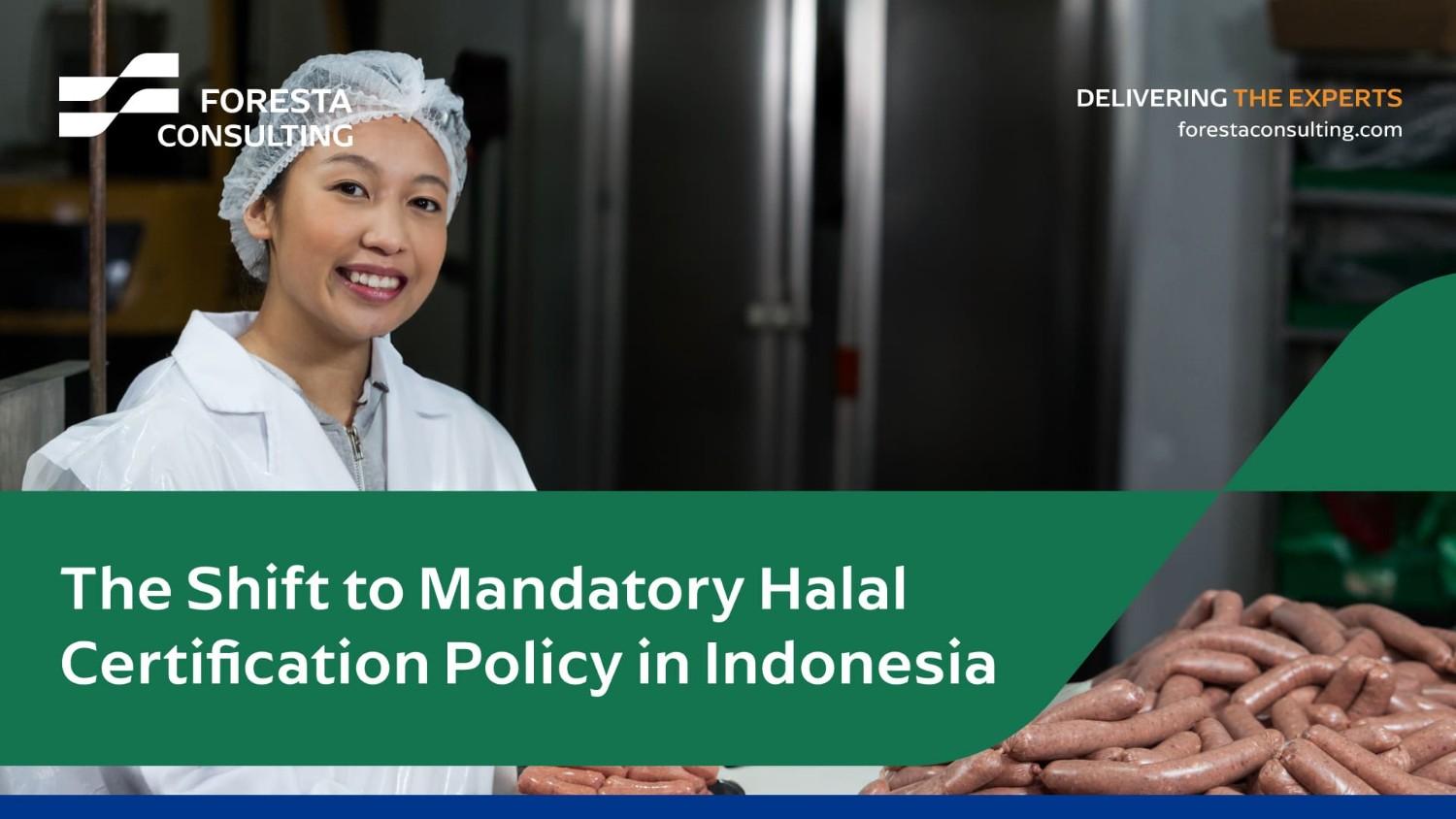
Indonesia, the world’s largest Muslim-majority country, has witnessed a pivotal shift in its halal industry. What was once voluntary is now mandatory, reshaping the way businesses operate, influencing consumer behavior, and strengthening Indonesia’s position in the global halal economy. Understanding this shift is essential for businesses seeking compliance, credibility, and competitive advantage.
Understanding Halal Certification and Its Importance
Halal certification is a formal acknowledgment that a product or service complies with Islamic dietary and ethical standards. While it may seem straightforward, the certification carries profound implications for both businesses and consumers. For companies, certification demonstrates operational transparency, quality assurance, and ethical practices. For consumers, it provides confidence that products meet strict religious and safety standards.
Previously, halal certification in Indonesia was optional. Businesses could choose to participate, leading to inconsistencies in quality and consumer trust. Today, mandatory certification ensures uniformity, reliability, and accountability across industries.
Why the Policy Shift Matters?
This shift from voluntary to mandatory certification is more than a regulatory change, it is a strategic move that affects the entire halal ecosystem.
For businesses, it means integrating halal compliance into core operations rather than treating it as an optional credential. Companies must audit supply chains, implement strict quality control, and train staff accordingly. Early adaptation translates into a competitive advantage and stronger brand credibility.
For consumers, mandatory certification increases transparency and trust. Products are now verifiably compliant, empowering consumers to make informed choices and reinforcing confidence in both local and imported goods.
Key Dimensions of the Shift
To understand the full impact, consider the following key aspects:
Conclusion
The move from voluntary to mandatory halal certification reflects Indonesia’s commitment to consumer protection, industry integrity, and economic growth. Businesses that proactively adapt can transform compliance into a strategic advantage, while consumers enjoy greater trust and transparency.
Navigating Indonesia’s halal certification requirements can be complex, but with the right guidance, it becomes an opportunity. Trust Foresta Consulting to provide expert halal compliance solutions, helping your business maintain credibility, operational excellence, and a strong presence in the global halal market.